Exactly How Fence Contractors Guarantee Code Compliance Every Time
If you believe a fencing is simply posts and panels, try clarifying it to a code inspector. The moment a residential property line strikes paper, the policies begin piling: troubles, view triangulars, pool obstacles, wind tons, easements, HOA laws, and gate safety and security criteria. Great Fencing Contractors build straight and durable. Great ones construct lawful. That second part takes planning, paperwork, and the kind of area judgment you just get by resolving troubles in the mud.
I have strolled more sites than I can count. Edge great deals that squeeze exposure at intersections, yards that support to utilities, seaside homes with salt air that consumes low-cost hardware, city residential properties with residential property pins hidden under two inches of asphalt. Every job brings a new pile of policies, and the job begins long before the initial opening is drilled. Below is exactly how a seasoned Fence Installer maintains you inside the lines, from authorization to final inspection.
Knowing the guideline prior to touching the ground
Jurisdictions set their own fence regulations. The differences are not refined. One city caps front lawn fencings at 3 feet, the next allows 4 feet if the pickets go to least half open. Corner lots usually need a clear sight triangular, generally 25 feet each method from the edge, with a strict elevation restriction inside that area. Side and back backyards can go 6 feet nearly almost everywhere, but some seaside and high-wind locations enable 8 feet if the design fulfills wind loading. Tie that to problems, which can range from precisely the residential or commercial property line to 2 or 3 feet in from it, and you already see why a Fence builder who guesses winds up re-digging holes.
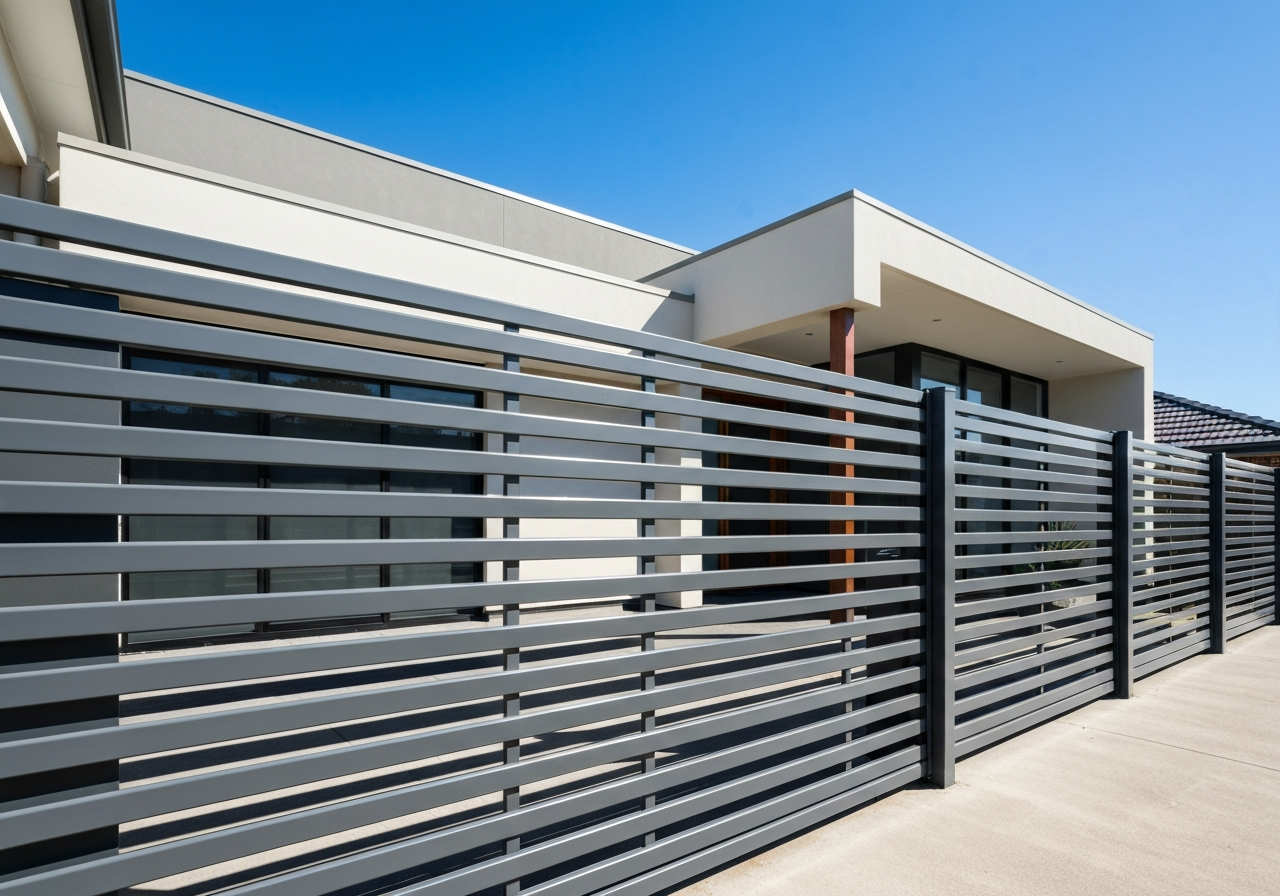
A reliable Fence Contractor starts with a zoning read. We pull the parcel report, the zoning map, and the community's fencing ordinance, after that check for overlays such as historical districts or wildfire areas. Pool obstacles obtain a different check against domestic code, and entrances with operators are reviewed under UL 325 and ASTM F2200. If there is an HOA, we request their architectural standards as very early as feasible. That stack of paper makes a decision height, opacity, placement, and in some cases also color.
Permits are not optional
Plenty of house owners ask if we can "simply build it" without a license. In lots of towns, you can't. Where allows are called for, an examiner will absolutely make you cut down, action, or eliminate a non-compliant fence. A permit adds a couple of weeks and a modest fee, but it additionally includes legal protection and a paper trail.
A strong license plan consists of a scaled site strategy that reveals building lines, frameworks, driveways, walkways, and easements. We note the suggested fence path with measurements, heights by section, and gate places. If there is a maintaining wall surface close by, we note mixed elevations since some cities step fencing plus wall, not fence alone. For swimming pool units, we reveal gate swing instructions, lock elevations, and clearances. For powered entrances, we connect the driver spec sheets that show UL 325 listing and safety and security devices.
Inspectors are busy. If your Fence Installer hands in a clear, complete set, authorizations go much faster. If they make the reviewer chase details, it will remain on a desk.
The residential property line is not a suggestion
Setbacks and easements are both realities that stop beautiful fences from being constructed where people first imagine them. Problems keep the partition the line by an established distance. Easements, for utilities or drainage, allow somebody else gain access to, and sometimes block fences totally or call for detachable panels.
A smart Fencing Contractor treats the study as scripture. If there is no current survey, we advise one when the threat validates it. A $600 study defeats a $6,000 teardown. I have actually seen fencings moved a foot inside since an iron pin, as soon as located under a spot of weeds and asphalt, informed a different tale than a neighbor's memory. Where a study is not practical, we make use of a combination of tape-recorded plats, determining from permanent functions, and locating existing corner monuments with a metal detector. We share our searchings for with both next-door neighbors before betting lines, not after the holes are dug.
Call before you dig, after that verify with a shovel
Utility situates are a must. In the U.S., that implies 811. The locators note public lines to the meter, but they usually miss out on personal runs, watering lines, or low-voltage lights. That is why a knowledgeable Fence Installer will still penetrate and hand-dig within the tolerance zone. Hitting a gas solution costs more than an early morning with an excavating bar.
In older areas, anticipate surprises: abandoned oil containers, clay drainpipe floor tiles, buried concrete bows, rebar from a long-gone stoop. In those moments, a good crew leader stops and calls the office to modify the format or footing information. Straight lines matter, however so does safety.
Material selections that fulfill the code and combat the elements
Building to code is just half the job. The other half is matching materials to the neighborhood environment so the fence stays certified after the first solid wind and the first damp winter.
-
Wood: Messages set in soil require pressure-treated lumber rated for ground get in touch with, not the lighter above-ground rating you find on deal racks. The preservative chemistry in modern treatments can rust inexpensive fasteners, so every screw and bolt have to be hot-dip galvanized or stainless. In coastal zones, stainless is not a deluxe, it is survival. Several inspectors now request item stamps or receipts that reveal the right score, and I keep those on file.
-
Vinyl: Not all vinyl profiles are created equal. Thicker wall surfaces, aluminum-reinforced rails, and properly glued caps stop drooping and pullout under wind lots. Codes usually require engineered wind ratings in cyclone zones. We resource panels with documented scores, then orient blog posts and rails to present less sail area on open heights.
-
Chain web link: With schools or sports fields, we pay attention to mesh size and surface. A 2 inch mesh is common, 1 inch for higher security. Base tension cord or a bottom rail prevents gaps that go against swimming pool barrier regulations. For corrosion control, a fabric with aluminized layer or HDG fabric with polymer finishing expands life well previous standard galvanized in harsh climates.
-
Ornamental steel and aluminum: Powder-coated light weight aluminum stands up to corrosion and suits swimming pool obstacles well, however you must confirm rail spacing and picket voids to fulfill climb resistance. Decorative steel is more powerful but requires galvanization under the powder. I never install bare steel outdoors in damp climates. Inspectors know the difference.
-
Masonry and compound: Wall surfaces and hefty composite systems sometimes activate architectural submittals, specifically over 6 feet. That conjures up engineering and footing information. A Fence builder that shrugs at structural requirements is inviting a red tag. I would rather bring an engineer in early than redesign after forms are set.
Pool barriers are unrelenting, and that is the point
The swimming pool barrier code exists to keep kids alive. Expect assessors to check this line by line. While precise language differs, these principles are nearly universal:
-
Minimum barrier height of 48 inches gauged on the outside quality. If there is a climbable function close by, useful height could be compromised, and we develop higher.
-
Gaps under the fencing limited, typically to 2 inches, less if the surface area is not a hardscape. In between pickets, clear opening is normally under 4 inches.
-
No easy footings. Horizontal rails are spaced so the bottom is high sufficient or the top is low sufficient to keep climbing difficult. In technique, we frequently flip pickets or pick vertical-only styles to stay safe.
-
Gates have to be self-closing, self-latching, and swing out, far from the pool. Lock release is normally at 54 inches minimum over quality or protected so a kid can not reach through. I mount latch guards consistently since assessors like to see them.
-
House wall surfaces made use of as part of the barrier usually require alarms on doors causing the pool location, with an audible that meets decibel and duration requirements. We coordinate this with the property owner and note it on the plan.
With pools, I bring a tape, a degree, and the precise phrasing of the neighborhood regulation to the last walk. No one wants a re-inspection while a family members waits to load the pool.
Gates and drivers: where mechanical meets code
Swing and slide entrances draw in obligation, so the requirements are stringent. UL 325 covers entrance operators, which need entrapment defense both in the opening and closing instructions. Photo eyes, edges, and intrinsic pressure limiting all contribute. ASTM F2200 covers eviction itself, determining things like pinch factor defense, guard displays near rollers, and track layout to prevent a foot trap.
If you are including outlets or hiding power to an entrance, it is electrical job. We deal with licensed electricians to run channel at the appropriate depth with proper noting tape, GFCI security where called for, and weather-rated enclosures. A fence-mounted light looks innocent until it shorts in the rain. Wet location scores and listed transformers maintain you free from infractions and fire risk.
Pedestrian entrances along sidewalks or public civil liberties of way require clear size and swing direction that does not project into public paths. I have needed to turn a hinge side on mount day to quit a gateway from swinging over a pathway. Details like that seldom turn up on a drawing, so the team's field sense matters.
Wind, frost, and footing information that pass evaluation and last
Codified wind speeds differ from 90 miles per hour inland to 140 miles per hour or more along shores and in hurricane tracks. Article spacing, embedment depth, and concrete layout should show local wind maps and soil. In clay, frost heave lifts shallow footings. In sandy soil, shallow footings rinse. Most jurisdictions offer minimal post depths like one third of message elevation plus 6 inches, however inspectors value calculations that show how a taller fence with large panels will withstand overturning.
In technique, below is exactly how a skilled Fencing Builder addresses the unseen forces:
-
We use bell-shaped footings or flared bottoms in frost nation to stand up to uplift. Holes go listed below frost deepness, typically 36 to 48 inches, then broaden at the base.
-
We crown the top of concrete to lose water away from the message instead of creating a birdbath that decomposes timber and rusts metal.
-
We align articles dead plumb with a level, not an assumption, and we brace them while concrete treatments. Quick-set mixes are fine for minor work, but also for tall runs or entrance messages, we utilize a common concrete with proper treatment time. I would rather go back to hang a gateway the next early morning than hang it on green concrete that creeps.
-
Gate blog posts obtain larger size holes and, usually, deeper embedment. If I think the soil is suspect, I will certainly add a covert entrance stop to reduce anxiety on hinges.
None of this is flashy, and most of it goes away underground, yet examiners understand what to look for. When they see clean openings, properly combined concrete, and supported messages, they trust the remainder of your work.
Drainage, maintaining wall surfaces, and the consolidated height trap
Retaining wall surfaces make complex fence elevation calculations. Many cities count a fence on top of a wall surface as a solitary structure, determining from the reduced grade. A 3 foot wall with a 6 foot fence above could be treated as 9 feet of framework. The repair can be as easy as stepping the fence back from the wall surface or decreasing the fencing elevation along that run. I have actually additionally installed guardrail-style fences that satisfy fall protection needs without activating the very same height limits.
Drainage cuts both methods. If you dam a drainage swale with a board-on-board fencing, water will certainly find a way right into your lawn or your neighbor's. We notch or boost panels where needed, include weep voids, or shift to a much more open style. This way, your fencing stays within code and your lawn does not become a pond after a thunderstorm.
Wildfire areas and ignition resistance
In marked wildfire areas, some jurisdictions require ignition-resistant building near the structure. One typical policy needs noncombustible fencing elements for the very first 5 feet where a fencing affixes to a home. That typically implies changing to metal at your home edge, then transitioning to wood farther out. It looks intentional when done right, and it pleases an assessor that has actually seen coal climb up a wood fencing right into the eaves.
I flag these areas at the research stage. Then we compose the change information into the strategy and note product listings for ignition resistance or noncombustibility.
Historic areas and visual controls
Historic districts are not just about paint colors. Lots of restrict fence heights and designs on street-facing elevations. A 6 foot personal privacy wall surface on the front stroll will not pass. Picket spacing, rail profiles, even post caps can be specified. I have worked tasks where the commission wanted site-finished paint in a traditionally accurate luster and shade, and yes, they checked.
An experienced Fence Contractor does not battle that process. We bring in design sheets, recommend accounts that match the era, and still align with modern code for security. Expect longer reviews and at the very least one public meeting. Budget plan time, not just money.
Documentation is half the build
On assessments, paperwork wins. Permits printed and in a sleeve on-site. Product information sheets for gate operators and pool locks. Photos of energy markings before excavation, plus mid-dig shots that reveal hand digging near marks. Invoices for pressure-treated scores and stainless bolts. If a next-door neighbor authorized an arrangement on a common line, I keep a duplicate in the truck.
I also determine and keep in mind final elevations, latch positions, and clearances prior to calling for the last. A five-minute pre-inspection conserves a week of rescheduling. When a fencing passes easily, the assessor remembers.
Managing neighbors and property managers
The ideal Fence Installers handle individuals along with messages. A common fence on a property line can turn sour if interaction falls short. I knock on doors prior to we set stakes. I show neighbors the line and the strategy. If the fencing face matters, we choose that gets the "good side" in advance. Some cities mandate that the finished face deals with exterior towards the next-door neighbor or the street. We make certain the client recognizes that regulation, and we develop accordingly.
Multifamily and commercial sites include their very own layer. Fire accessibility, egress courses, panic hardware on entrances, and clear sizes for ADA courses become part of Helpful hints the plan. A 36 inch clear opening is the baseline in numerous areas. Where a gateway crosses a public path, certified equipment and swing clearances are not negotiable.
Field changes without code trouble
No plan survives full contact with a backyard. Roots, rocks, and grade changes compel modifications. The distinction in between a Fence Installer and a Fencing Builder who recognizes compliance is exactly how they document and adapt.
When a run have to jog to miss a tree, I keep in mind the countered and maintain the fence inside troubles. If a slope turns a 6 foot panel right into 7 feet of subjected elevation at the reduced end, we tip the fence or include an intermediate rail to stay lawful. If the client asks to add an added gateway mid-project, we confirm it does not land in a sight triangular or swing right into public room. After that we update the strategy established and, if called for, submit a revision. Assessors seldom red tag a well-documented area modification that appreciates the intent of the code.
Red flags that separate pros from pretenders
Here are the quickest tells that a Fence Contractor does not have their code video game with each other:
-
They avoid the zoning check and say, "We constantly do 6 feet." No, you do not, not everywhere.
-
They refuse to call 811 or to hand-dig near marks. That is negligent and prohibited in most places.
-
They do not have a degree or a stringline that looks made use of. Jagged fences invite next-door neighbor complaints and examiner scrutiny.
-
They can not describe UL 325 or pool lock heights. If they mount gateways, they require to recognize entrance safety.
-
They will certainly not place anything in writing. If it is not on paper, it will not hold up when inquiries come.
What you should give the initial site visit
You can speed up the procedure and stay clear of redesigns by collecting a couple of essentials before your first conference. This is the sort of preparation that allows a Fencing Contractor rate precisely and draw a license without a scavenger hunt.
-
A duplicate of your residential or commercial property study or plat, also if it is old. If you do not have one, inform us.
-
Any HOA guidelines or building rules and get in touch with information for the committee.
-
Notes on below ground attributes you find out about: lawn sprinklers, lights, drain lines, family pet fencing.
-
Photos or measurements of any type of gates you intend to replace or match.
-
Your concerns ranked: personal privacy, security, curb allure, wildlife control, or pool compliance. We can optimize for two or three, not ten.
Temporary fences and building and construction compliance
Temporary fence still drops under regulations. Building websites near sidewalks frequently call for solid obstacles at least 6 feet tall with wind supporting. Swimming pool digs must be separated with code barrier systems throughout building and construction, not only after plaster. On demolition work, we install debris screens and maintain enclose utility easements even when whatever looks wrecked. Examiners love a specialist who treats short-lived like permanent for safety.
The handoff: maintenance that preserves compliance
A fencing can drift out of compliance if it droops, if entrance closers wear out, or if grade adjustments after landscape design. I set up an one-year look for pool entrances specifically. We adjust self-closers so gateways lock from a gentle pull, not a bang. For wood, we reconsider lower clearance to see to it new mulch has not approached above the allowed gap. For steel, we tighten equipment and oil joints with a dry lube that does not accumulate dust.
A well-built fence with proper materials and fasteners will certainly hold its shape. Yet cyclones and wintertimes function quietly. If a panel bows into a sidewalk or a latch stops working to self-close at a swimming pool, conformity is not a memory examination, it is an upkeep task. Proprietors who recognize that stay clear of infractions later.
Real instances from the field
Two fast stories demonstrate how code expertise converts to real outcomes.
A coastal customer desired a complete privacy fencing, 7 feet tall, wrapping a swimming pool court. The community enabled 6 feet max unless we verified wind resistance. We sourced a ranked plastic system with aluminum reinforcement and submitted maker data with a site plan defining blog post spacing and embedment customized to a 130 miles per hour wind rate. We additionally flipped the middle rail to prevent climbability inside the pool location and installed a self-closing, self-latching light weight aluminum gateway with the latch at 54 inches. The inspector inspected the paperwork, nodded at the supports we showed in a cut panel, and signed off in one visit. That fence rode out 2 tropical storms without a panel failure.
An edge lot near an active crossway had a long-standing chain link that blocked vehicle driver view lines. The city wrote a caution. The proprietor wanted personal privacy, however the view triangle ruled. We established a 3 foot decorative fence inside the triangular, after that tipped to 6 feet personal privacy behind the line. Along the walkway, we flipped the excellent face out per city regulation. It looked willful, not compelled. The unhappy next-door neighbor who submitted the grievance called me a year later to change their very own fence, this moment to match.
Why the appropriate professional matters
Fencing Contractors who stay in the code, day after day, do peaceful, self-displined job. We draw tidy strategies and we develop what we attract. We make choices that respect wind, water, and individuals that share boundaries. A fencing that passes assessment the very first time is not good luck. It is the sum of a hundred small choices, from the first zoning check to the last joint adjustment.
Whether you hire a solitary Fence Installer for a condominium yard or a crew of Fencing Builders for a lengthy country run, inquire to explain their procedure for compliance, not simply their rate. A fair bid coupled with a skilled strategy beats a deal that ends with a red tag and a demolition order. If your Fence builders talk clearly regarding problems, easements, swimming pool barriers, UL 325, wind lots, and residential or commercial property pins, you are in secure hands.
A fence draws a line. The code keeps that line honest. Choose a team that respects both.